North Carolina Sportsbooks Report Record July Handle Boosted by World Cup Betting
Écrit par Uma Carter · 30/8/2026

North Carolina Sportsbooks Report Record July Handle Boosted by World Cup Betting
North Carolina sportsbooks recorded a handle of $566.3 million during July 2026, marking a 52.9% rise compared to the same month in the prior year, and this growth occurred even though summer months often see reduced activity in sports wagering markets. Bettors collected $498.7 million in winnings from those wagers, which left operators with $63.2 million in gross gaming revenue, a figure that climbed 178% from July 2025 levels, while state tax collections nearly doubled over the same period. The July results extended a streak that now stands at 11 consecutive months where monthly handle has exceeded $500 million, and observers note that World Cup matches provided the primary catalyst during what is normally a quieter stretch for the industry.
Breakdown of Key July 2026 Figures
Handle serves as the total amount wagered across all sportsbooks in the state, and the $566.3 million total reflects both in-person and online bets placed through licensed operators. Revenue after payouts reached $63.2 million, which covers the amount retained by sportsbooks once winning bets are settled, and this metric expanded sharply because the volume of bets increased alongside favorable outcomes for teh house on certain World Cup propositions. Tax revenue for the state came in at nearly twice the amount collected in July 2025, according to figures compiled in the July 2026 sports wagering report, and those proceeds flow directly into state coffers from the gross gaming revenue generated each month.
July typically ranks among the slower periods for sports betting because major domestic leagues enter offseasons, yet the timing of the World Cup shifted that pattern in 2026. Matches featuring national teams drew heavy betting interest across soccer markets, and data shows that both casual and regular bettors increased their activity on these international contests. The sustained run of 11 straight months above the $500 million handle threshold indicates that the market has maintained momentum from earlier in the year rather than experiencing a seasonal dip.
Context Within Broader Market Trends
Those who track state regulatory filings point out that the 52.9% year-over-year handle increase outpaced many prior monthly gains, while the 178% jump in gross gaming revenue highlights how higher volumes translated into stronger operator margins during the World Cup window. Bettor winnings of $498.7 million represent the portion returned to players, and this amount still allowed for robust revenue because the overall handle base expanded significantly. State officials collected the increased tax amounts without any changes to the tax rate structure, which demonstrates that the growth stemmed purely from expanded wagering activity.
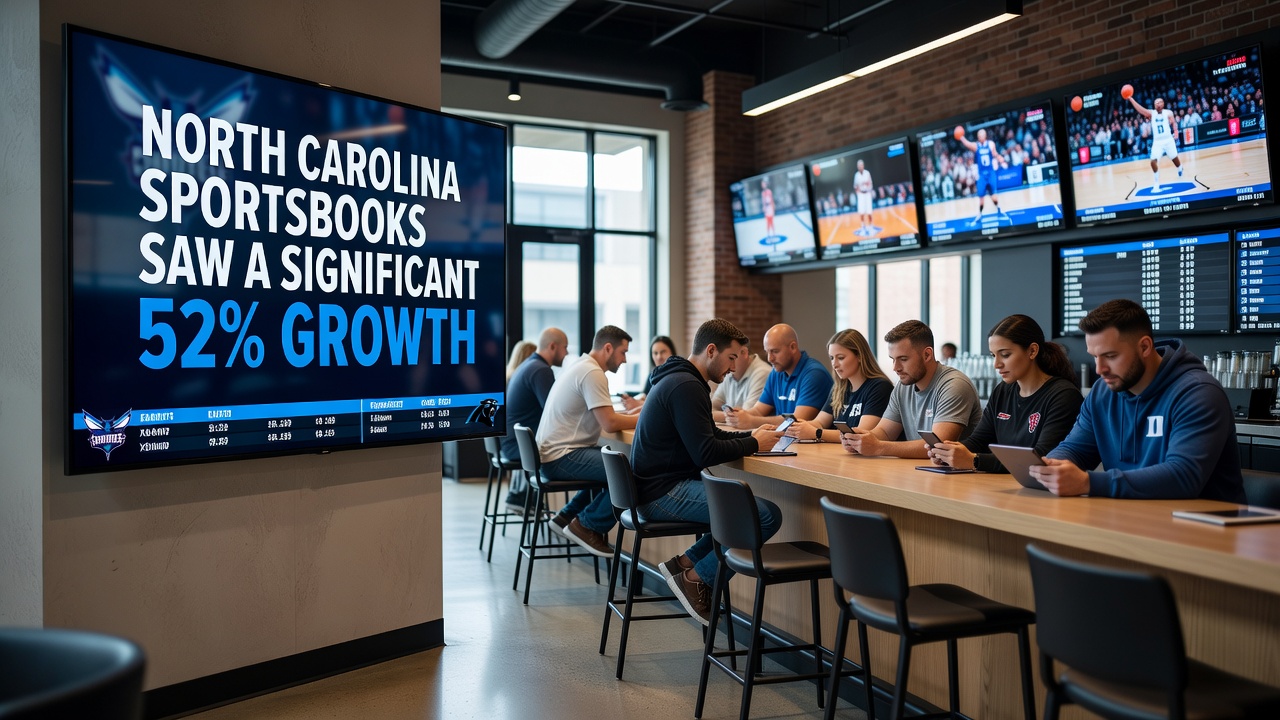
Regulatory reports from earlier months established the baseline for comparison, and the July 2026 numbers continue the pattern of steady expansion that began after full market launch. Operators adjusted promotional offers and betting options to capture World Cup interest, and this approach aligned with the observed rise in both handle and revenue. The 11-month streak above $500 million in handle underscores consistent participation levels across the state, even as individual sports seasons fluctuate.
Impact on State Revenue and Operators
Tax collections nearly doubling from July 2025 levels provided the state with additional funds derived solely from sports wagering activity, and these amounts arrive monthly based on verified gross gaming revenue reports submitted by each licensed sportsbook. Operators benefited from the 178% revenue increase because the higher handle created more opportunities for the house edge to play out across thousands of individual bets. The combination of elevated handle, strong revenue, and increased tax payments occurred without any reported disruptions to the regulatory framework that oversees daily operations.
Analysts who review monthly filings note that the World Cup period compressed what would normally be a slower summer cycle into one of stronger performance, and the results align with similar patterns observed in other states that host major international tournaments. No single operator dominated the gains; instead, the overall market expanded as more bettors engaged with available soccer markets during the tournament window. This broad participation helped push the handle past previous July benchmarks while maintaining the ongoing streak of high-volume months.
Conclusion
The July 2026 data illustrates how external events such as the World Cup can alter typical seasonal patterns in sports wagering markets, and North Carolina's licensed operators captured that opportunity through expanded handle and revenue. The 52.9% handle increase to $566.3 million, the $63.2 million in gross gaming revenue, and the near doubling of tax collections all trace back to the same set of monthly figures released in the state regulatory report. With the 11-month streak of handle above $500 million now intact, the market enters August 2026 positioned on teh same growth trajectory that defined the preceding period.